Long Island’s wine industry has been at the forefront of sustainability for over a decade. In 2012, the region implemented the Long Island Sustainable Winegrowing (LISW) certification, the first of its kind on the East Coast. With 22 member vineyards, the program continues to drive positive change — and not just on the island. In 2022, the New York Wine and Grape Foundation launched a pilot program, New York Sustainable Winegrowing (NYSW). LISW inspired the framework for the statewide program, which aims to enhance sustainability practices for New York viticulture. Here’s how Long Island set the stage for a statewide sustainability initiative and everything you need to know about the two seals.
Island Born
Anyone who visits Long Island during the summer would think it’s made for grape growing. Farm stands boast mounds of ripe strawberries, bright ruby tomatoes and golden corn. Suffolk County, which comprises two-thirds of Long Island, is the fourth largest agricultural producer in all of New York State, with approximately 560 farms. The island is also home to 57 wineries, an industry that celebrated its 50th anniversary two years ago.
The genesis for the certification started over a decade ago, when conversations took place about creating a statewide program for all grapes. But since wine grapes have different viticultural needs than the table variety, the discussion spun off and Long Island Sustainable Winegrowing was created.
Sustainability, in brief, encompasses mindful practices that minimize harm to the environment, such as limiting or eliminating the use of pesticides. It also encompasses fair treatment of workers. Finally, it takes the economic well-being of a business, and how that impacts the greater community, into account.
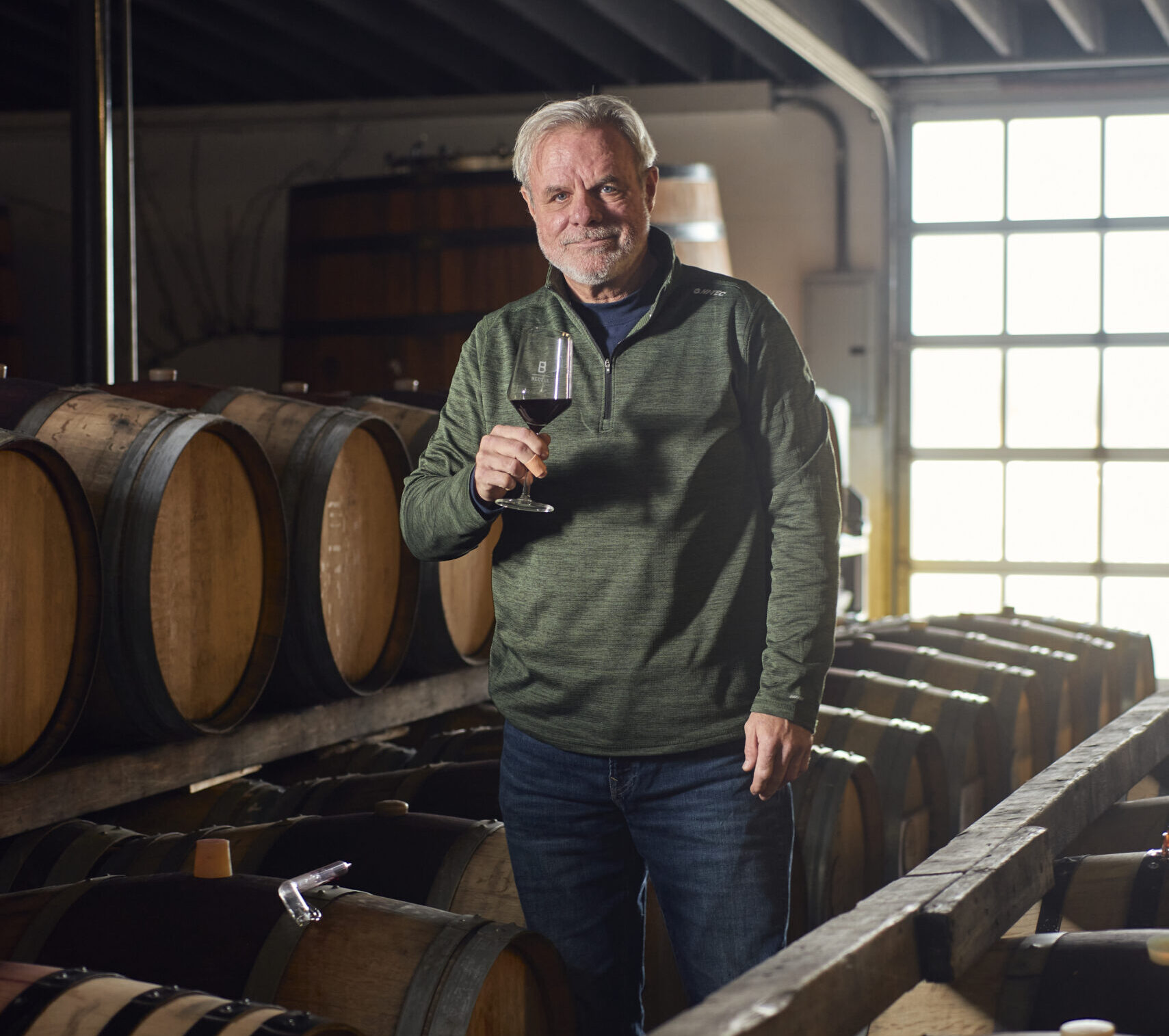
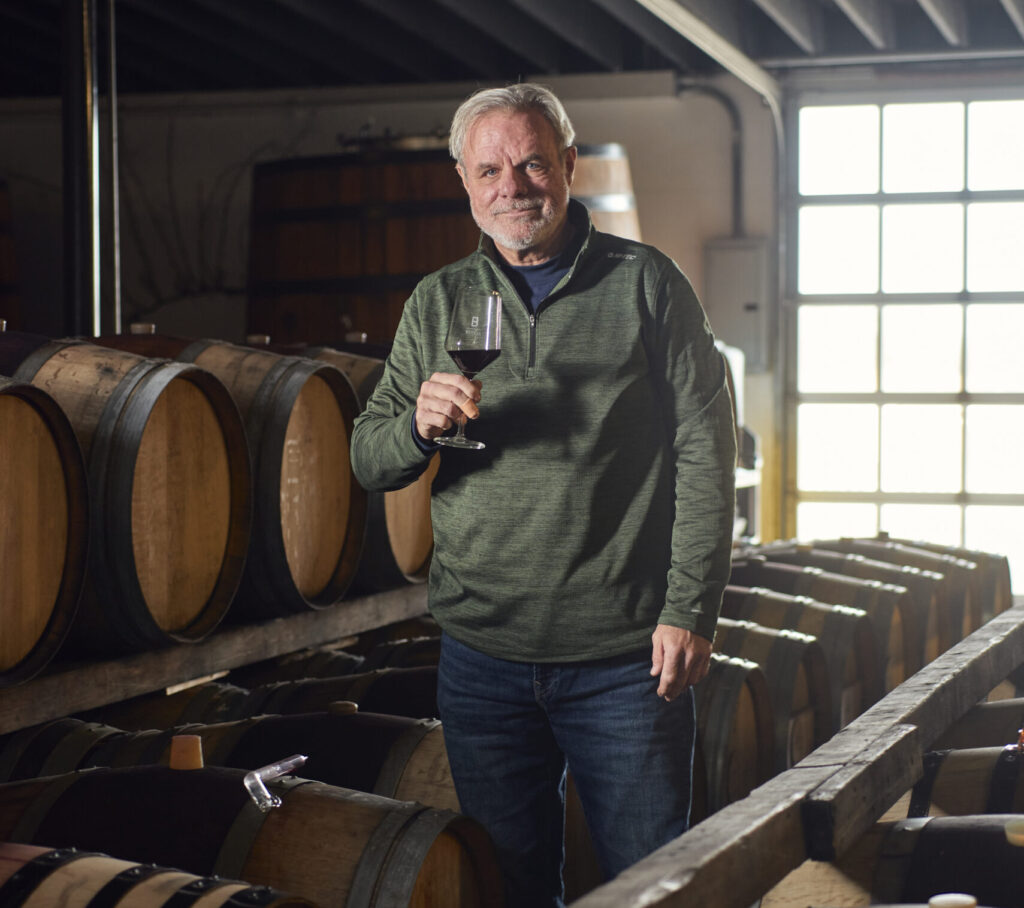
“It has helped codify sustainable practices for Long Island and gives the term validity,” says Rich Olsen-Harbich of Bedell Cellars, one of the architects of the program, along with Barbara Shinn of Shinn Estate (now Rose Hill Vineyards); Larry Perrine of Channing Daughters; Jim Thompson of Martha Clara Vineyards (now RG/NY) and Alice Wise of Cornell Cooperative Extension.
After helping to create the initial LISW guidelines in 2005, Wise used that work and knowledge in 2007 to co-author the VineBalance workbook, a tool Long Island wineries use to serve the particular climatic conditions of the area (and which has been adapted by many wineries on the West Coast to form their own sustainable tenets). LISW focuses on vineyard practices such as pest management, vineyard soil and irrigation. In total, 18 core criteria need to be met, and the vineyard must be evaluated by a third party to be certified.
Setting the Sustainable Stage for the Empire State
The program caught the attention elsewhere in the state. “The rest of New York was a little bit jealous, especially up in the Finger Lakes,” jokes Justin Jackson, manager for the New York Sustainable Winegrowing Program. “They wanted a way to indicate their responsible production methods to consumers.”
Rather than fragmenting the state with another regional certification, the New York Wine and Grape Foundation (NYWGF), the marketing, research and communication organization overseeing the state’s wine industry, saw an opportunity to create a unified seal for all of New York.
They looked at the VineBalance Workbook, as well as other programs, such as Lodi Rules, and Certified California Sustainable Winegrowing. “We looked at sustainability certifications across the country to create our own certification program that’s focused on the three pillars of sustainability: economic, social and environmental,” says Jackson.
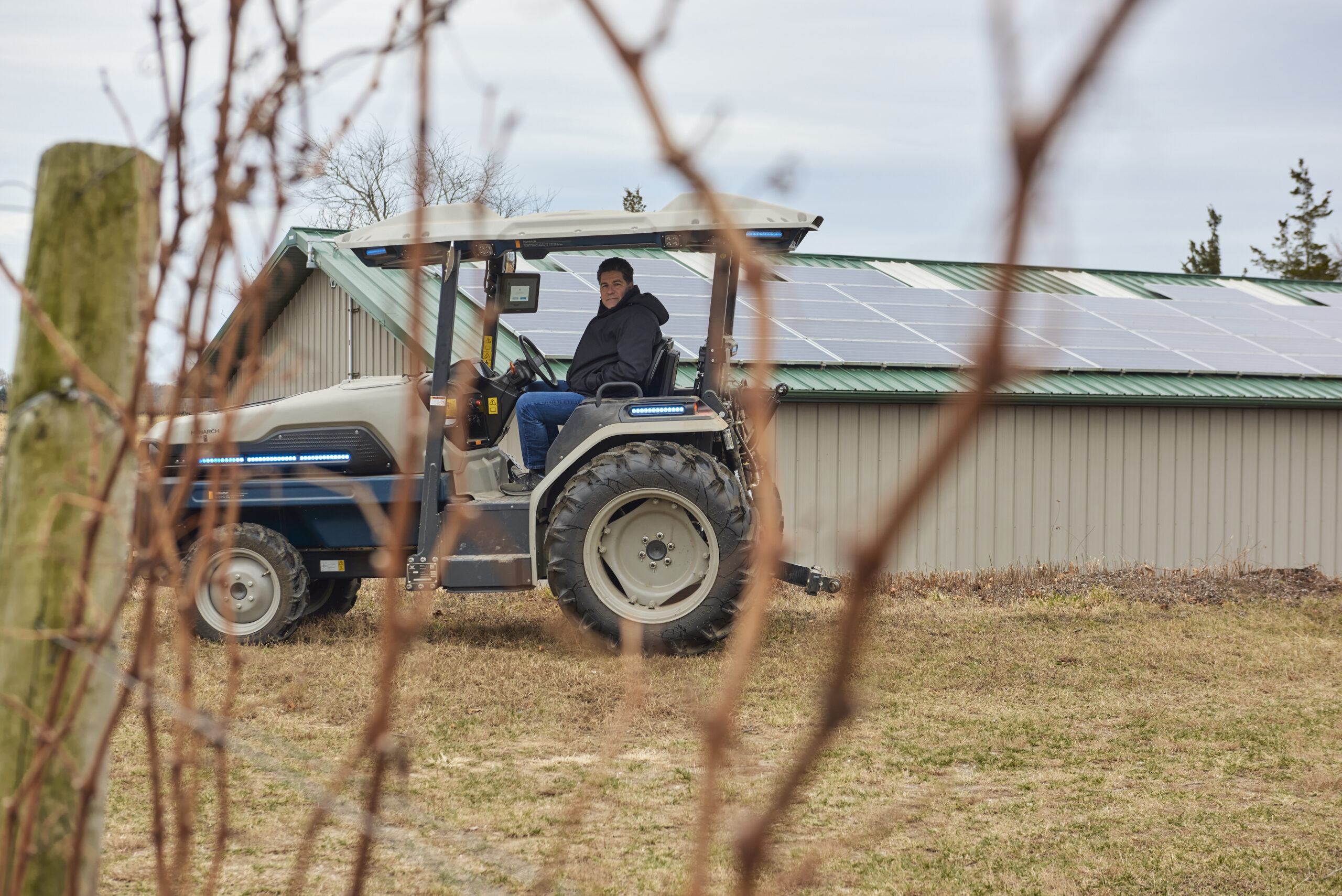
But the strongest resources lay within the state itself. “Long Island really does deserve to be recognized for being leaders, for 12 years before the rest of the state had something similar as far as such programs,” says Kareem Massoud, winemaker at the certified sustainable Paumanok and Palmer vineyards, and the former president of Long Island Wine Country, whose winery follows the tenets of the VineBalance Workbook and has implemented carbon-reducing efficiencies like solar panels and the first electric autonomous tractors in the state.
Olsen-Harbich and other LISW board members collaborated with the NYWGF as they put together a sustainability roadmap, bringing their knowledge and best practices to the equation. And as both NYSW and LISW heavily referenced the VineBalance workbook when drafting their blueprints, “There is a great deal of overlap between the two programs,” he says.
The bespoke program directly addresses the unique challenges facing producers. “Working sustainably in New York is more challenging than on the West Coast as we have much more variable weather conditions: cold winters, snow, regular precipitation, coastal winds, and humidity, along with the most diverse number of grape varieties in the country,” says Olsen-Harbich.
The first round of certifications for NYSW took place in 2023, with a second cohort receiving the seal in 2024.
What does NYSW Entail?
As Jackson mentioned, NYSW focuses on the three key tenets of sustainability: people, planet, and profit. “We’re not only looking about what you’re putting into the vineyard in terms of compounds, pesticides, fertilizers, or how many passes you’re making with the tractor,” says Jackson. “We’re also looking at the economic side. Are these decisions you’re making economically viable and economically sustainable to maintain your vineyard for years and years to come? And also, we’re looking at social aspects, such as how are you paying your workers? How are you treating your workers? Are the appropriate clothing items or protection equipment available to your workers?”
If a winery is interested in getting certified, they must go through a multiphase process. The first is a self-assessment of practices and identifying strengths, as well as areas of improvement, using the program workbook. After, they meet with a third-party auditor who reviews their self-administered scores, looks over paperwork, and assesses and determines eligibility.
But once a producer receives the seal, the program doesn’t allow them to rest on their laurels. “A big factor that I think is really important of the whole sustainability ethos is continuous improvement,” says Jackson. For areas that need focus, “We ask that you have an action plan to show how you’re going to improve. Every year we review it and see the progress you’re making.” If a producer fails to move the needle, they will lose the certification.
Not only is NYSW geographically broad, its focus is larger in scope than LISW. “On Long Island, we were sort of strapped for resources,” says Massoud. He notes that Bedell Cellars often helped absorb the costs of third-party auditors, as one example. “There was really no room to do much expansion of the program. It is purely vineyard focused. It wasn’t getting into practices in the cellar. It wasn’t getting into holistic sustainability topics like renewable energy. I think that’s where the New York program is more ahead, so to speak.”
At the moment, Jackson says they too are focusing solely on the vineyard, but the goal is to incorporate winery practices, building efficiency and other aspects of wine production.
Two Become One?
Currently, a bottle from Long Island can carry both NYSW and LISW seals. The goal, however, is for the two to complement each other, or possibly integrate.
“As we work toward merging both programs, we will go over those points that diverge and create a parallel certification for Long Island,” says Olsen-Harbich. “We’re all on the same page.”
Ever the pioneer, Bedell achieved certification for both programs as a way to see the similarities between the two workbooks and become familiar with the strategies and inspection procedures with the New York program. Under Olsen-Harbich’s guidance, Bedell also earned the NYSWGF’s Sustainability Award in 2024, given to a New York winery that has been a shining example of sustainable practices.
“We have great confidence that the two programs together will be better and more successful than either one solely on their own,” says Olsen-Harbich. “New York is a large state with many different regions and terroirs which can all be accommodated with a dynamic and research-based program.”