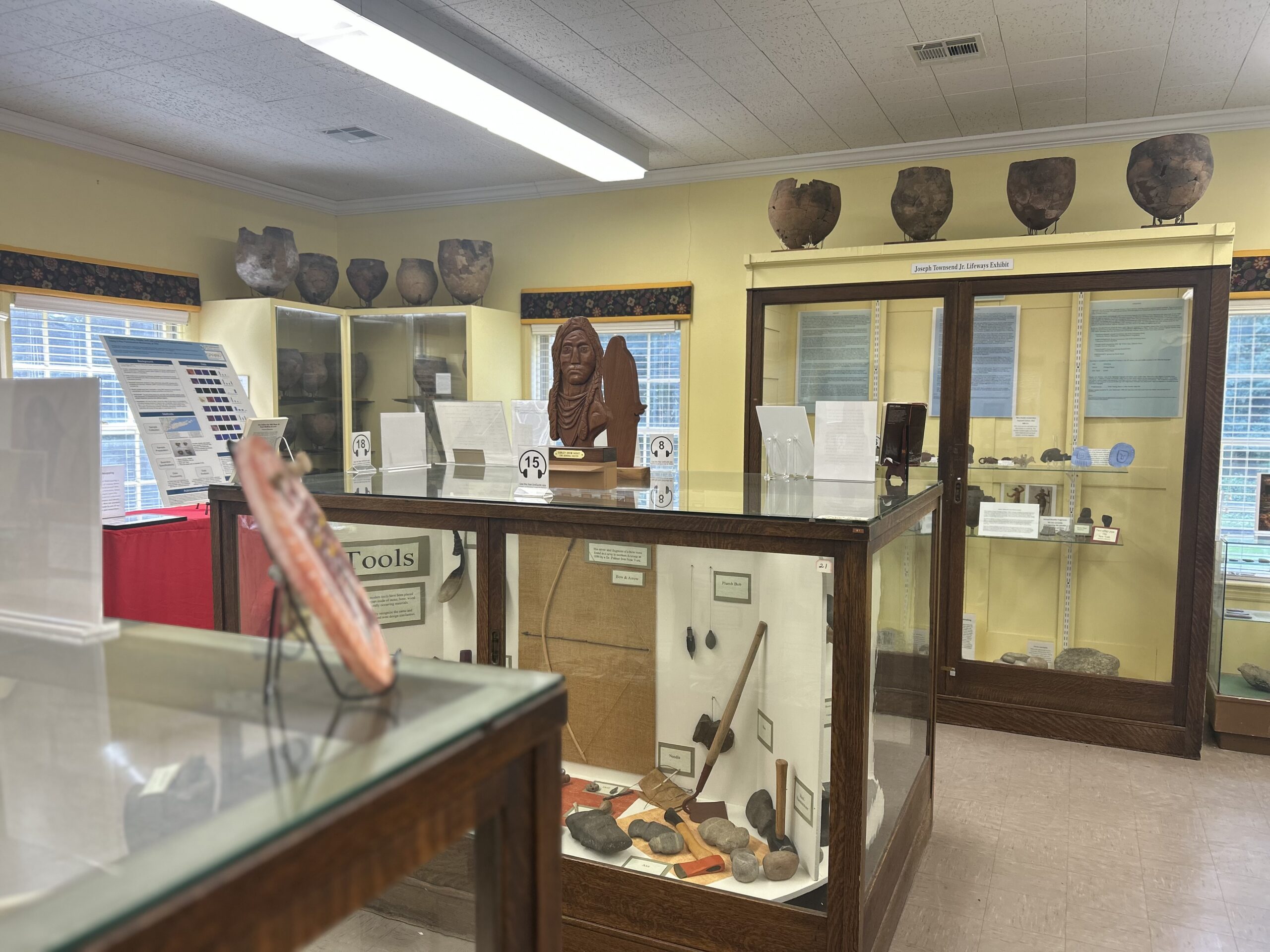
On Southold’s Bayview Road, a small museum preserves Long Island history that extends far beyond the colonial era.
The Southold Indian Museum (1080 Main Bayview Road, Southold, 631-765-5577) grew out of the Incorporated Long Island Chapter of the New York State Archaeological Association, which was established in Southold in 1916. The museum was built in 1962.
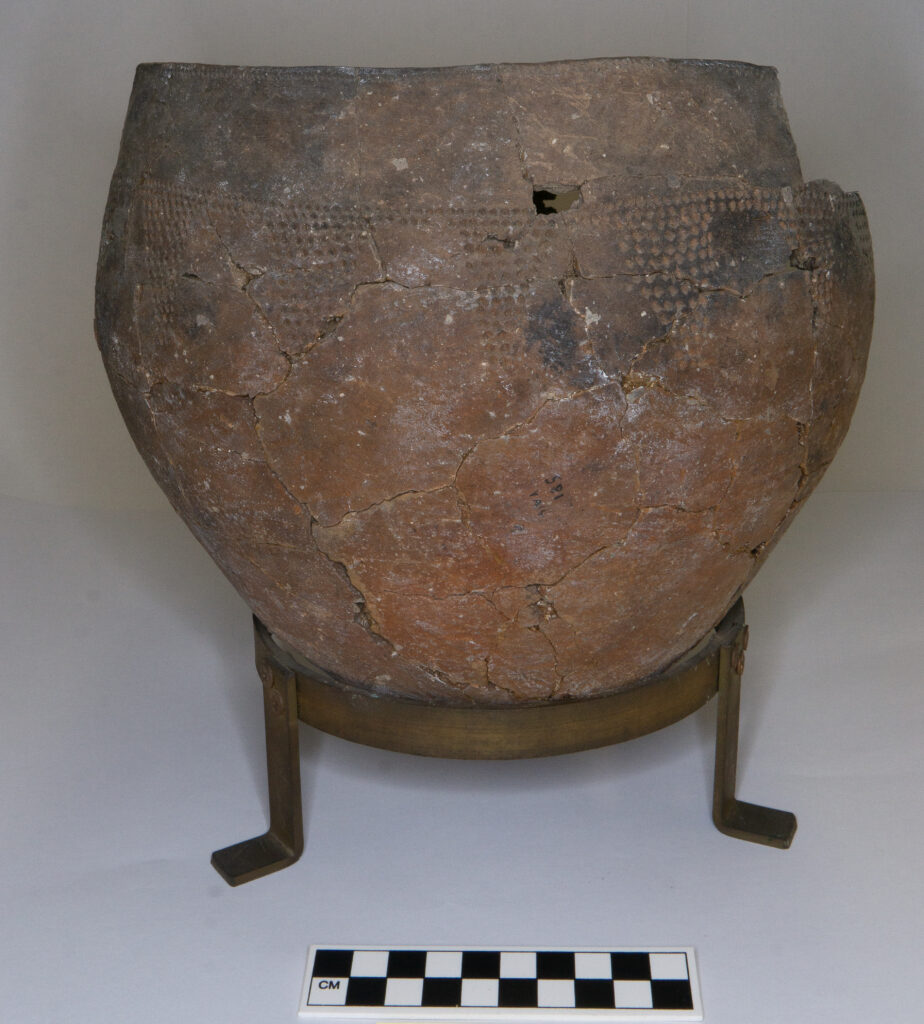
Today, the museum houses tens of thousands of artifacts relating to Long Island’s Indigenous peoples. Its collections include stone and bone tools, projectile points, pottery and other archaeological materials. The chapter’s work has long extended beyond displaying objects, with members documenting archaeological sites, maintaining exhibits and sharing information about Long Island’s Indigenous history with the public.
For museum president Lucinda Hemmick, preservation, research and education remain central to the institution.
Hemmick, a retired Longwood High School science research teacher, became involved with the museum about a decade ago after a student expressed interest in studying projectile points. That interest led to research projects using artifacts already in the museum’s collection, including investigations into the geological origins of soapstone found at local archaeological sites.
The museum also works to make archaeological information more accessible to researchers and communities. Hemmick described efforts to organize historic paper records, digitize information and map archaeological sites using geographic information systems.
Education is another major part of the museum’s role. The museum hosts school field trips, including visits from local elementary schools. It offers activities that let students study artifacts, learn about Indigenous technologies and explore aspects of Long Island’s past.
The museum also develops educational resources teachers can use in the classroom, including digital materials and a story map designed to make local Indigenous history more accessible to students and educators.
Archaeological evidence documents Indigenous occupation of Long Island long before Europeans arrived. By the time of European contact, Indigenous communities speaking Algonquian languages lived across Long Island and the surrounding region.
That history continued through and beyond European colonization. The North Fork and the rest of Long Island were not merely places where Indigenous peoples once lived; Indigenous communities and nations remain part of Long Island today. The Shinnecock Indian Nation is federally recognized, and the Unkechaug Indian Nation is among the Indigenous nations recognized by New York state.
Hemmick described collaborating with Indigenous peoples and organizations, including efforts to ensure culturally sensitive objects are displayed and interpreted appropriately. She also discussed working with Indigenous partners on educational and archaeological projects.
For Indigenous Peoples Day, the Southold Indian Museum reminds us that the North Fork’s history did not begin with the arrival of English settlers. Its collections document a much longer story that researchers continue to study, teach and connect to the Indigenous communities of Long Island today.
The museum is open Sundays from 1:30 to 4:30 p.m., with additional days and times available by appointment.