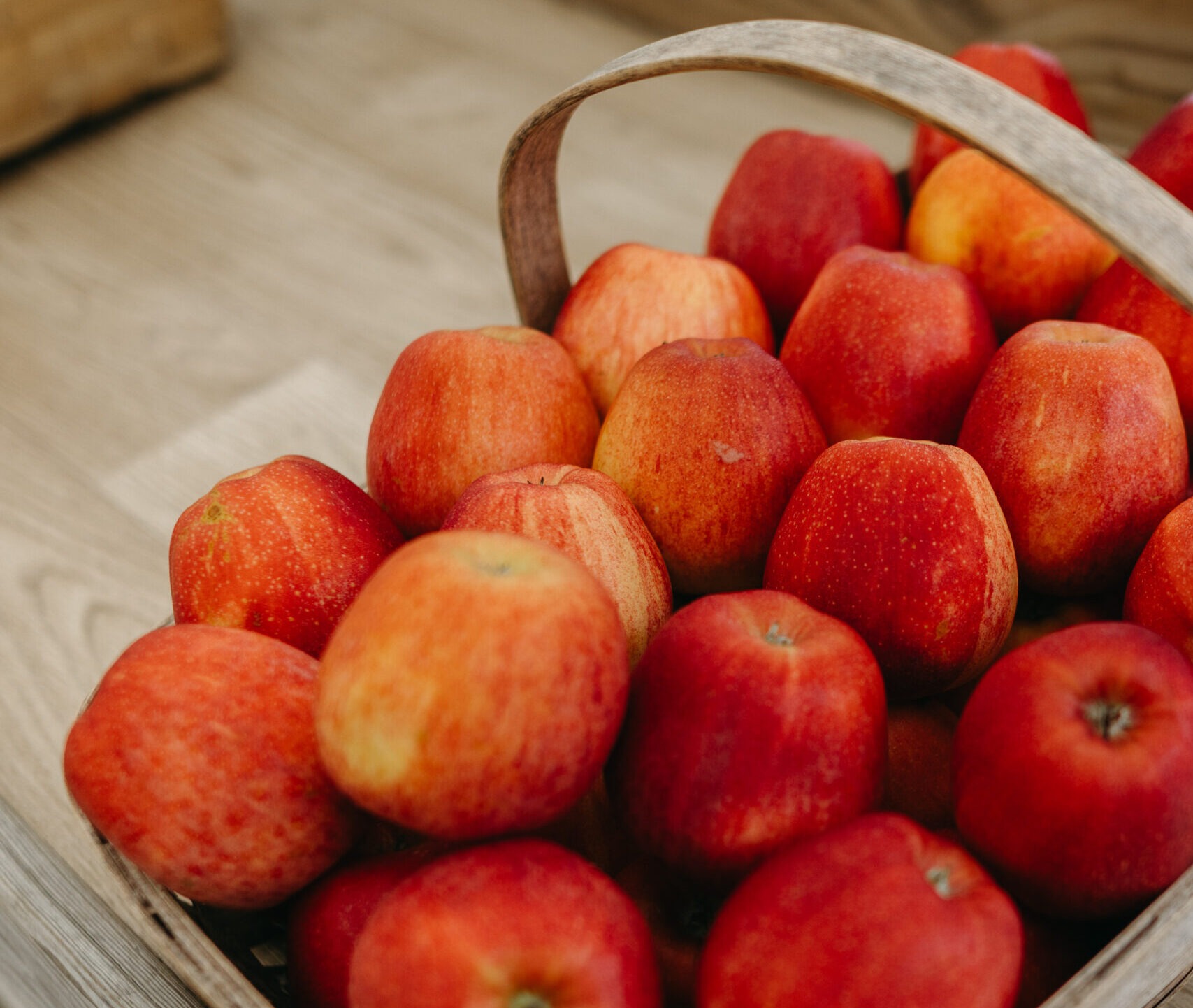
Along with brisk mornings, kids heading back to school and the smell of wood smoke, apple picking time is a yearly tradition — for its delicious bounty and because it’s the kind of activity that signals the change of seasons.
Having worked for a fourth-generation apple grower from the Hudson Valley for a few years, I never really thought of Long Island as a big apple-harvesting region. But the humble apple plays an important role in the traditions and economics of the North Fork.
According to the New York Farm Bureau, New York State ranks second nationally in apple production after Washington State, growing over 600,000 tons of apples every year.
Suffolk County ranks fifth in the state for fruit, tree nut and berry sales, according to the 2022 Census of Agriculture, and that category represented 29.5% of all farms on Long Island, most of them family farms. And the North Fork has several family farms with decades — or even centuries — of apple production.
Seeds of History
Apples were brought by European colonists on many of the first ships coming to the Americas and were planted here starting in the 1650s. Indeed, Cutchogue’s own Wickham Fruit Farm grows the fruit on some of the oldest farmland in the country, dating back to 1661.
By the 1700s, many large apple orchards were established in the state, with the first commercial nursery started by the Prince Family in Flushing, Queens, in the 1730s, specializing in fruit trees and grapes. The family became a major supplier of European and American varieties of apple trees throughout the colonies, including heirloom varieties like the Rhode Island Greening and the Esopus Spitzenburg.
Apples were consumed for both food and drink; they were eaten fresh, fried, stewed and baked, and made into cider, vinegar and brandy. Cider was a daily drink in colonial times, and apples and their resultant beverages could be stored through the winter. As stated in Hallockville Museum Farm’s cookbook Receipts and Reminiscenses of the Hallock Family & Friends, “Every farmer had a large orchard of fruit trees. A large part of the apples were common apples, not very good.”
Over the years, apple farming on Long Island has morphed from simply harvesting the fruit from the orchard to a great range of products and activities that feature the fall favorite.
Apple picking
Maybe the first true “agritainment” activity, apple picking from September to November is hugely popular, with some orchards instituting elaborate rules to keep damage to the orchards in check (a longtime apple farmer friend told me that she had shut down her U-Pick operation after cleaning up one too many piles of trash — including dirty diapers — from her orchard). Remember: you’re a guest on a farmer’s land and you should act accordingly.
Generally, the orchard sells you a bag that you fill with the apples of your choice from the varieties that are ready to be harvested. Add-ons like hayrides, corn mazes or farm tours are common, as are apple-based treats.
While most commercial types of apples are hybrids bred for specific looks and textures, heirloom apples are older varieties grown from seed and passed down through the generations; they are prized for certain purposes, like flavor, sugar content, or excellent cider, sauce or pie-making properties.
Here are some of the best places for an apple-picking excursion on the North Fork. Each orchard has a unique history, growing method and lineup of apples that they produce.
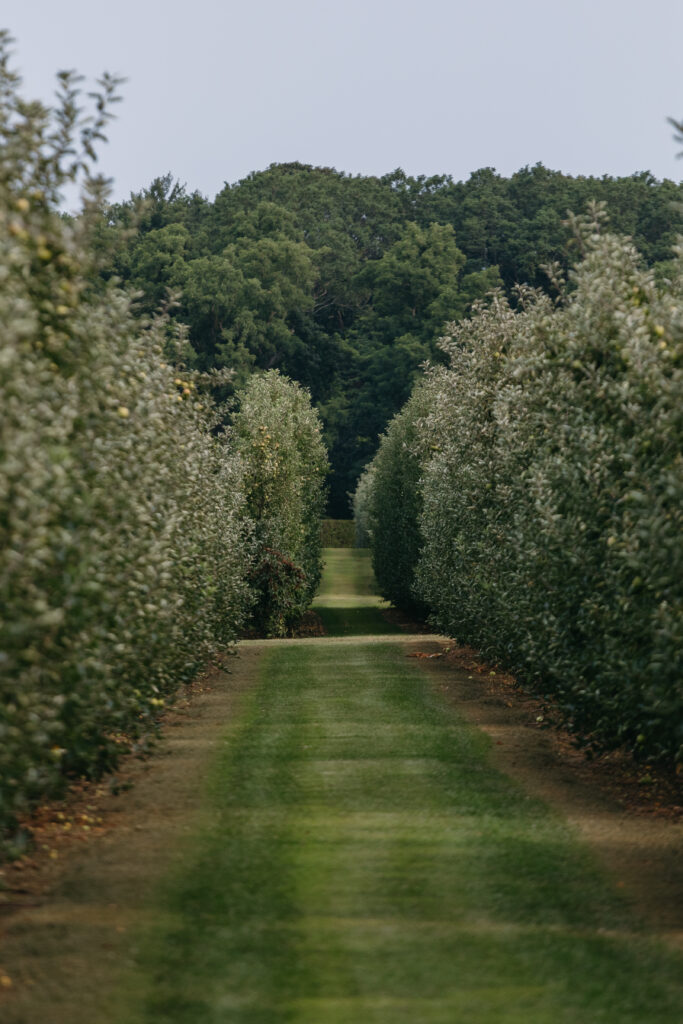
Harbes Orchard (5698 Sound Ave., Riverhead, 631-683-8388) uses a trellis system to grow apples. “It’s an innovative design that consistently produces the highest quality fruit per acre,” says Edward Harbes. “The high density of apple trees leads to an optimal tree height that is substantially shorter, so it’s easier to take care of the trees and pick the fruit in the fall without the use of ladders.” Harbes Orchard grows 27 apple varieties, with Honeycrisp, Fujis and Galas being the most popular. They also grow Albemarle Pippins, which originated in Newtown, Long Island (now Elmhurst, Queens). The variety was favored by Thomas Jefferson and grown at Monticello.
Wickham’s Fruit Farm (28700 Main Road, Cutchogue, 631-734-6441) grows two late-summer varieties — Ginger Golds and Gravensteins — usually available in August. Apple picking generally starts in September; they offer Saturday wagon rides during the season, which runs through November. This centuries-old orchard grows 27 varieties of apples.
Woodside Orchard (116 Manor Lane, Jamesport, 631-722-5770), started in 1982 by Robert Gammon Sr. and now run by his sons Scott and Bob and their families, offers apple picking this year only at their Jamesport location; their Apple Shed opened in September. Woodside grows 28 varieties of apples on semi-dwarf trees, from the early-ripening Ginger Gold to Granny Smiths to the popular Honeycrisp.
Breeze Hill Farm Preserve (31215 Sound Ave., Peconic, 631-876-5159) grows apples on 30 of their 75 acres and has 23 varieties of apples. While customers love the Honeycrisp and Golden Delicious apples, Breeze Hill’s older varieties include Razor, Winesap and Black Twig, said to be President Andrew Jackson’s favorite.
Briermere Farms (4414 Sound Ave., Riverhead, 631-722-3931), which has been growing apples and other fruit since 1961, cultivates the heirloom Newtown Pippin (also called Albemarle Pippin), known for its tart flavor and good storage qualities, as does Wickham’s.
Sippin’ Cider
Apple cider, hard cider, vinegars and brandy are all pressed or fermented from apples and offer farmers a way to use up imperfect-looking or bruised fruit. Several local orchards make their own versions of this autumnal treat.
Hallock Cider Mill (1960 Main Road, Laurel, 631-298-1140) makes their own nonalcoholic cider from apples they grow in their own Hudson Valley orchard. Their unfiltered cider in glass jugs comes in flavors like peach, cherry, apple, blackberry apple and mulled apple. Last year they introduced a tasty apple ginger ale.
Woodside Orchards (729 Main Road, Aquebogue, 631-722-5770) started producing hard cider in 2012 and has several varieties available at their Aquebogue tasting room, open six days a week. Cidermaker Kelly Koch makes the cider (along with wine under her own Poppy and Rose label) onsite. They offer a traditional, European-style dry cider and a sweeter American-style cider, which comes in flavors like apricot, cinnamon cherry and cranberry. Patrons can try a tasting flight, order a pint, or take home a growler of their favorite. For history seekers: the heirloom apple Golden Russet is grown by Woodside; it originated around 1840 and is prized by cider makers for its rich flavor.
Harbes Family Farm (715 Sound Ave., Mattituck, 631-482-7641) sells hard cider produced from their apples called Iron Pier Hard Cider, named after nearby Iron Pier Beach in Jamesport. It’s sold on tap and in canned 4-packs.
Riverhead Ciderhouse (2711 Sound Ave., Baiting Hollow, 631-591-0217) makes hard ciders from apples they buy and from their own small orchard, where they grow 15 different varieties. They offer a menu of year-round hard ciders and seasonal flavors like Strawberry Patch, Cinnamon Toast and Pumpkin Pie. Their rosé cider is made with apple, grape and hibiscus and is a deep pink color.
Wickham’s Fruit Farm still uses what is likely the oldest cider press on Long Island, built in 1902. Their nonalcoholic cider incorporates a mix of apples and is preservative-free.
Value-Added Products
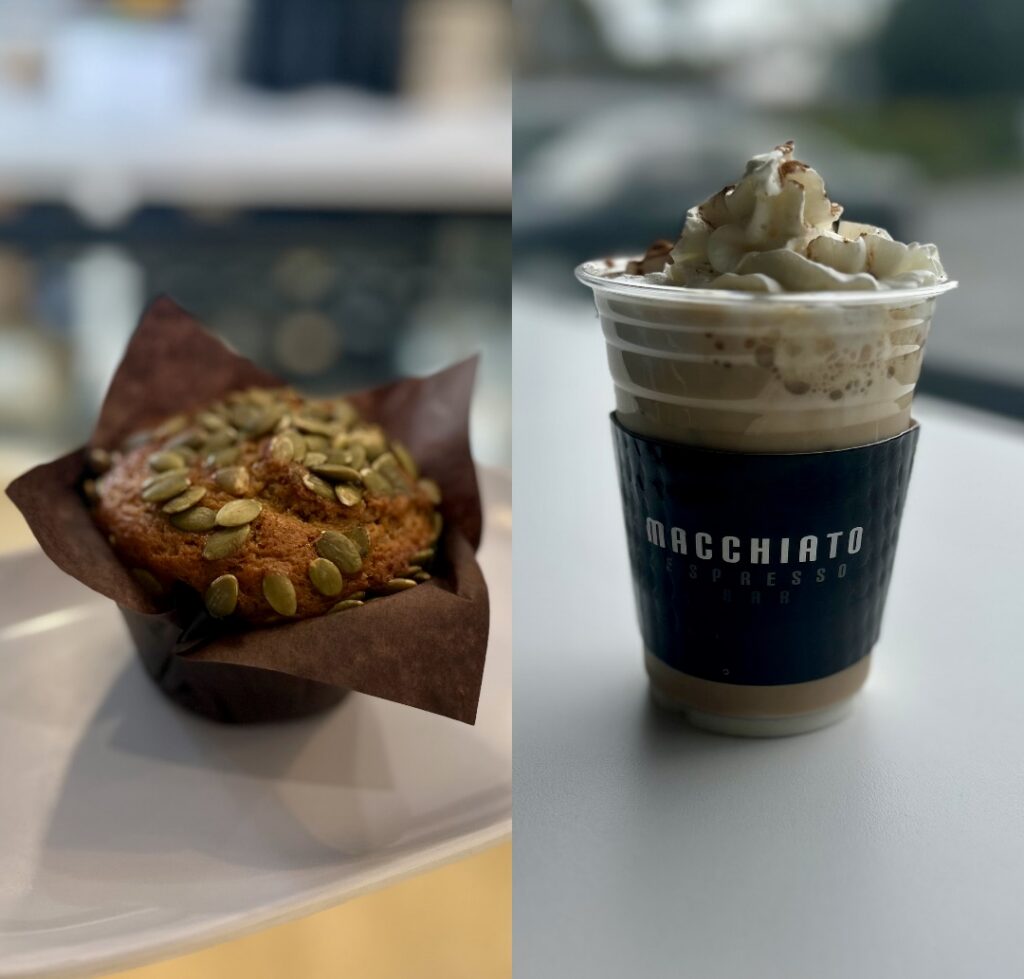
There’s a vast list of products made with apples that people eagerly anticipate when they head to the orchard. Freshly made apple cider donuts can be found everywhere. Also on the menu is apple butter, apple bread, countless apple pies and even a warm apple crumble with ice cream (found at Harbes Family Farm). Or make your own apple-flavored delight — after all, ‘tis the season.