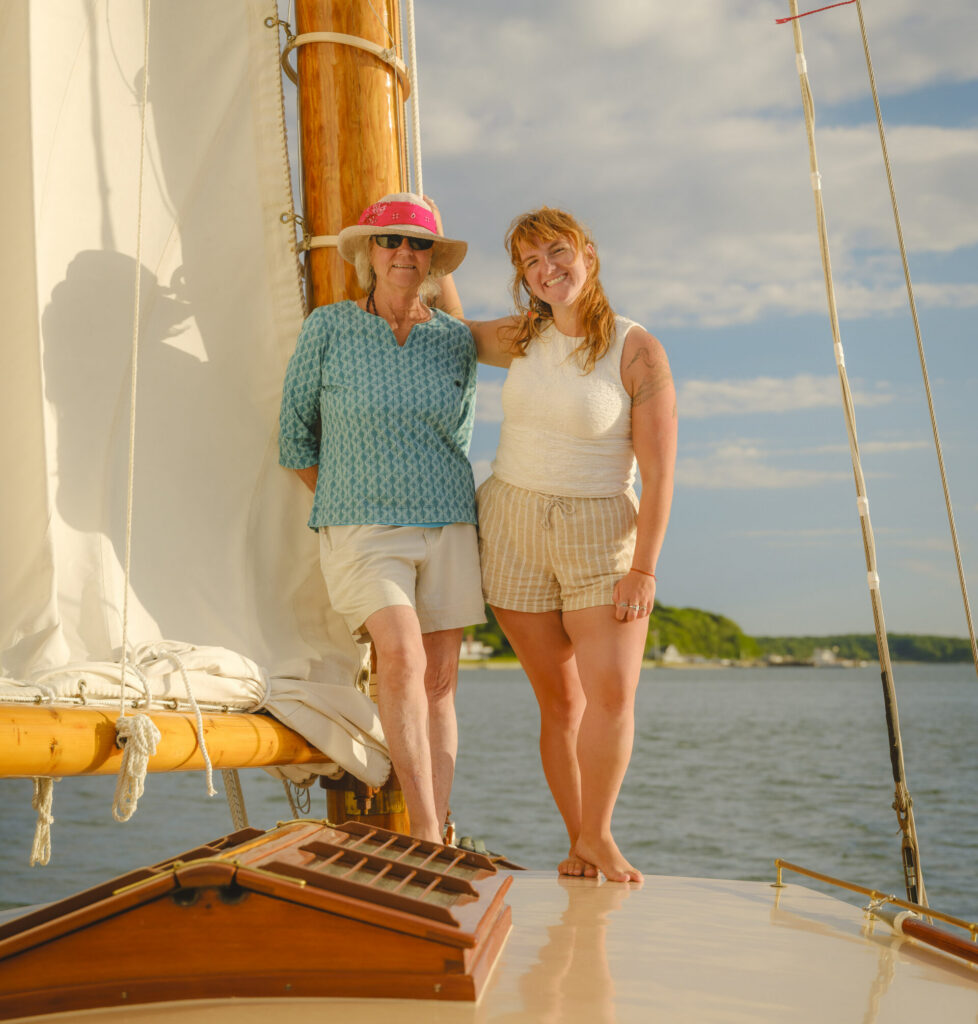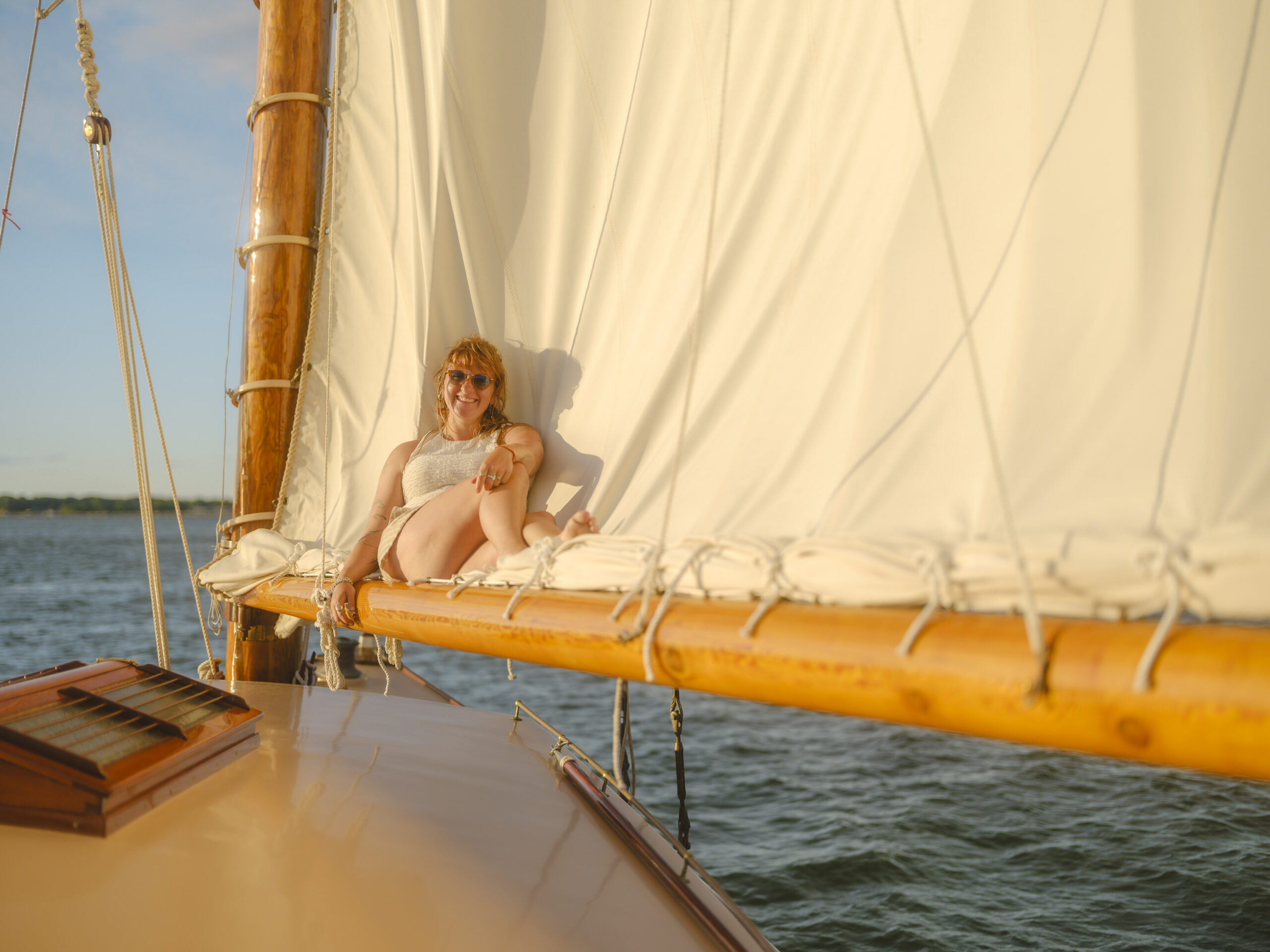
Luna Crowley is the new captain of the Selina II, Shelter Island’s historic 44-foot catboat, which celebrates its 100th anniversary this year.
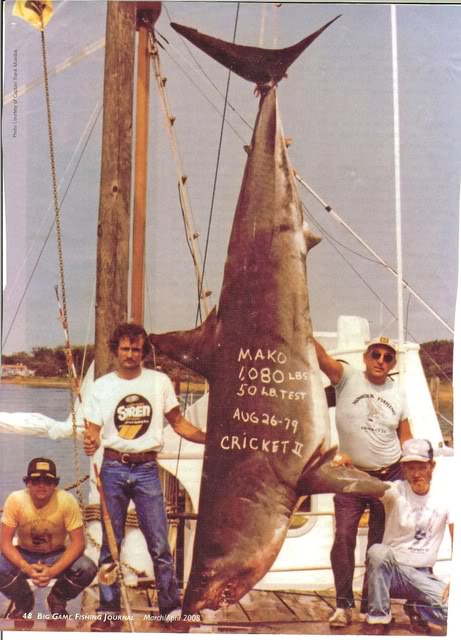
Crowley is the great-granddaughter of famed shark hunter Frank Mundus and was mentored by her great-aunt Pat Mundus, one of the first women to graduate from SUNY Maritime College and later a ship’s deck officer on oil tankers. After high school, Crowley spent nine months sailing with her aunt, traveling from Greenport to Cuba and the Bahamas learning navigation, seamanship and self-reliance.
Crowley studied neuroscience at Johns Hopkins University, earning a master’s degree in psychoactive pharmacology and training to become a therapist — but she missed life on the water. When the opportunity arose to take over the charter business, she embraced it.
Here, Crowley offers some rare insight to modern life on the water.
1. What lessons did you learn from your Aunt Pat and which do you still rely on as a captain?
If you’re going to do something that pushes against the gender norms written for us (like being a woman captain), get ready to roll your sleeves up. Respect is earned through action. Know what you’re talking about, show up as an equal, know your way around the engine, speak intelligently, and ask for help when you need it.
A more menial lesson from Aunt Pat that felt arduous when I was 17 but is one I still follow to this day: put the tools back in the same spot in the toolbox. Organized life, organized mind.
2. How have you been underestimated?
I, along with many women captains, have experienced more inappropriate, rude or dismissive comments from behind the helm than in any other part of my life. My response? I smile and remind myself that if someone has something to say it means I’m doing something out of the norm enough to warrant a comment. They go low; I go high. I take comfort in knowing that previous generations of women mariners fought for me to have a place here, and it’s my duty to continue that fight so that one day I can pass the baton to the next woman skipper coming up behind me.
3. Do you find connections between your prior career goals and where you wound up in life?
There are so many crossovers between scientific rigor and the rigor of being a captain. Captaining a ship and captaining a clinical trial both require time management, adherence to rules that keep people safe — whether that’s a waterway or a scientific protocol — effective communication and the ability to think on your feet and pivot when needed. Both also demand people skills — the ability to connect with someone and make them feel at ease within a new and unfamiliar experience.
4. When you took over the Selina II, what did that responsibility mean to you?
The significance and serendipity of taking over the Selina II in her centennial year is not lost on me. I have an immense amount of gratitude for Captain Iris, the previous captain and steward of the Selina II for the last 25 years, as well as the Hunts and the Trueloves. I feel the weight of the trust that has been placed in me to steward her, and I feel the emotional significance of the impact this boat has had on the family and on the East End of Long Island.
5. What kind of mentor do you hope to be for the next generation of young sailors?
I hope to be the kind of mentor who is kind and patient while also being honest about the hurdles and barriers that exist. I have been so fortunate to grow up surrounded by women sailor mentors — Liz Gillooly, Pat Mundus, Claire Joseph, to name a few. What I picture myself embodying is the quilt of qualities each of them offered me: different textures of knowledge, patience, presence, and understanding that together shape how I want to show up for the next generation.
I think back to formative experiences on the water with my aunt during my teenage years, and I want to extend that same invitation to show young sailors that a life of adventure and fresh air is accessible to them, if they choose to reach for it.